
 2
2


 Senior Friendly2027 Departures Added
 Best Seller
 Most Popular
 Senior Friendly2027 Departures AddedFamily Vacation
 New
New Senior Friendly2027 Departures AddedFamily VacationNew Release
 Senior Friendly2027 Departures AddedBest SellerFamily VacationSenior Friendly2027 Departures AddedBest SellerMost PopularSenior Friendly2027 Departures AddedFamily VacationNew
 Best Seller2027 Departures AddedFamily VacationSenior FriendlySenior Friendly2027 Departures AddedFamily VacationNew Release
 Best Seller2027 Departures AddedFamily VacationSenior FriendlySenior Friendly2027 Departures AddedBest SellerFamily Vacation
 Senior Friendly2027 Departures AddedFamily VacationNew Release
2
Senior Friendly2027 Departures AddedFamily VacationNew Release
2
 Luxury ServiceLuxury Service






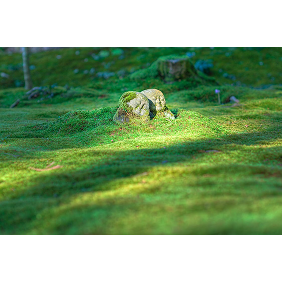


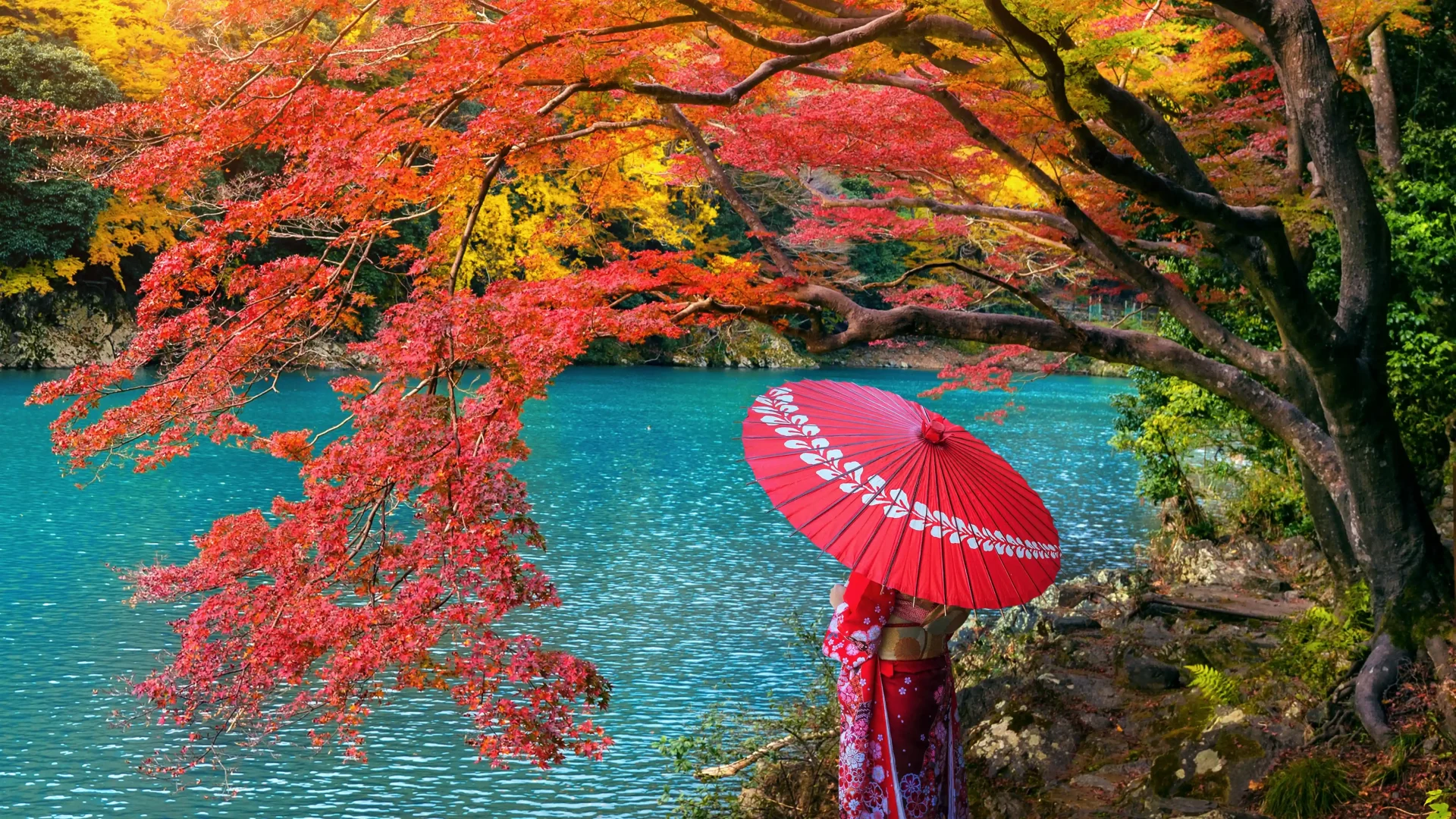
For many travelers, Japan is synonymous with cherry blossoms. Yet ask anyone who has experienced both spring and autumn, and you’ll often hear the same answer: autumn is even more magical.
As temperatures begin to cool, the country transforms into a breathtaking canvas of crimson maples, golden ginkgo trees, fiery mountain forests, and tranquil temple gardens. The vibrant colors sweep gradually across Japan, beginning in the northern island of Hokkaido before making their way south to Kyoto, Osaka, and Kyushu. This natural progression creates one of the longest foliage seasons in the world, giving travelers plenty of opportunities to witness Japan at its most beautiful.
In this guide, you’ll discover the 10 best places to see autumn leaves in Japan, along with the best time to visit, travel tips, and practical information to help you plan an unforgettable fall journey.
What Is Momijigari?
One of Japan’s most beloved autumn traditions is Momijigari (紅葉狩り), which literally translates to “autumn leaf viewing.”
Rather than simply admiring colorful trees, autumn leaves in JapanMomijigari is a seasonal activity deeply rooted in Japanese culture. Families, couples, and friends travel to mountains, temples, parks, and gardens to appreciate the changing leaves, much like the tradition of Hanami during Japan’s cherry blossom season.
For visitors, joining the Momijigari season offers more than beautiful scenery. It’s an opportunity to slow down, experience Japan’s appreciation for nature, and see some of the country’s most iconic destinations at their most colorful.
When Is the Best Time to See Autumn Leaves in Japan?
Like cherry blossoms, which bloom over just a few weeks, autumn foliage travels gradually across Japan from north to south.
The first colors usually appear in the mountains of Hokkaido during mid to late September. As temperatures continue to fall, the autumn foliage front moves through Tohoku, Central Japan, Tokyo, Kyoto, Osaka, and finally Kyushu, extending the viewing season well into early December.
This means there isn’t one single “best” time to visit Japan in autumn. Instead, your ideal travel dates depend on which region you plan to explore.

Therefore, before booking your trip, there are some things to do: Check the latest autumn foliage forecast published by local tourism authorities to maximize your chances of seeing the most vibrant colors.
Top 10 Places to See Autumn Leaves in Japan
1. Arashiyama, Kyoto
Arashiyama is one of Japan’s most iconic destinations, where vibrant maple trees, traditional temples, and peaceful riverside scenery come together in one unforgettable landscape.
The famous Togetsukyo Bridge overlooks mountains that glow with brilliant shades of crimson and gold, while the nearby Bamboo Grove offers a refreshing contrast to the surrounding autumn colors. A ride on the Sagano Romantic Train or a boat trip along the Hozugawa River reveals spectacular views of forests painted in seasonal hues.
Whether you’re visiting Kyoto for the first time or returning in a different season, Arashiyama captures the timeless charm of autumn in Japan.
- Best time: Mid November to early December.
- How to get there: Take the JR Sagano Line from Kyoto Station to Saga Arashiyama Station, then walk approximately 10 minutes. If you prefer a more comfortable and hassle-free journey, Nicetrips also offers private transfer car services, making it easy to travel directly to Arashiyama at your own pace.
- Opening hours: The area is open year round. Individual temples and attractions have their own operating hours.
- Entrance fee: Free to explore the district. Temple admission fees vary.
- Travel Tip: Visit before 8:30 AM to enjoy quieter paths around Togetsukyo Bridge and the Bamboo Grove before tour groups arrive.
2. Lake Kawaguchiko, Yamanashi
Few destinations showcase Japan’s scenery as beautifully as Lake Kawaguchiko.
Located at the foot of Mount Fuji, the lake becomes a spectacular viewpoint during late October and November, when rows of maple trees frame Japan’s most iconic mountain. The combination of fiery autumn foliage reflected on the lake and the snow capped peak of Mount Fuji creates one of the country’s most photographed landscapes.
Each autumn, the Fuji Kawaguchiko Autumn Leaves Festival adds evening illuminations, food stalls, and seasonal events that make the area even more memorable.
- Best time: Late October to mid November.
- Entrance fee: Free.
- Travel Tip: Stay overnight to experience both sunrise views of Mount Fuji and the illuminated maple trees after sunset.
3. Kiyomizu dera, Kyoto
Few places capture the spirit of autumn in Kyoto quite like Kiyomizu dera. As one of Japan’s most celebrated temples and a UNESCO World Heritage Site, it offers panoramic views over a hillside blanketed with thousands of maple trees that turn brilliant shades of crimson every November.
Standing on the temple’s iconic wooden stage, you’ll overlook a sea of red colors stretching across eastern Kyoto. After exploring the temple, wander through the charming streets of Sannen zaka and Ninen zaka, where traditional wooden houses, tea shops, and souvenir stores create an unforgettable autumn atmosphere.
If you’re visiting during the seasonal evening illuminations, the temple takes on a completely different character, with glowing maple trees surrounding the historic buildings.
- Best time: Mid November to early December.
- Opening hours: Typically 6:00 AM to 6:00 PM (extended hours during illumination events).
- Entrance fee: Approximately ¥500.
- Travel Tip: Visit just after sunrise for the quietest experience, or return in the evening during the autumn illumination for a completely different perspective.

4. Rikugien Garden, Tokyo
Tokyo is known for its vibrant city life, but Rikugien Garden offers a peaceful escape where traditional Japanese landscape design meets spectacular autumn foliage.
Originally created during the Edo Period, the garden features winding paths, elegant bridges, reflective ponds, and carefully arranged maple trees that burst into shades of red and orange every autumn. During the annual evening illumination event, soft lighting transforms the landscape into one of Tokyo’s most enchanting seasonal attractions.
Unlike many busy sightseeing spots, Rikugien encourages visitors to slow down and appreciate the subtle beauty of Japanese garden design.
- Best time: Late November to early December.
- Opening hours: 9:00 AM to 5:00 PM (extended during seasonal illuminations).
- Entrance fee: Approximately ¥300.
- Travel Tip: Combine your visit with nearby Ueno Park or Yanaka for a full day exploring Tokyo beyond the usual tourist districts.
5. Nakajima Park, Hokkaido
Located in the heart of Sapporo, Nakajima Park proves you don’t need to leave the city to experience Hokkaido’s spectacular autumn scenery.
The spacious park combines peaceful lakes, historic buildings, Japanese gardens, and centuries old ginkgo trees into one of Sapporo’s most relaxing destinations. During autumn, brilliant reflections shimmer across Shobu Lake while colorful maple trees create perfect walking paths beneath the cool autumn sky.
Because Hokkaido experiences autumn earlier than the rest of Japan, Nakajima Park is also one of the country’s first urban locations to showcase seasonal colors.
- Best time: Mid to late October.
- Opening hours: Open 24 hours.
- Best for: Families, photographers, casual walkers.
- Travel Tip: Rent a rowing boat to enjoy unique reflections of the surrounding autumn foliage on the lake.
6. Bandai Azuma Skyline, Fukushima
Known as one of Japan’s most scenic mountain roads, the Bandai Azuma Skyline offers breathtaking autumn landscapes that seem to change around every corner.
Stretching nearly 29 kilometers through volcanic mountains, the route passes colorful forests, dramatic valleys, and panoramic viewpoints that have earned it the nickname “The Sky Road.”
Because of its higher elevation, autumn arrives here earlier than in many other parts of Japan, making it an excellent destination for travelers visiting in late September or early October.
- Best time: Late September to early October.
- Opening hours: Open seasonally depending on weather conditions.
- Best for: Road trips, photographers, outdoor enthusiasts.
- Travel Tip: Bring warm clothing, as mountain temperatures can be significantly cooler than nearby cities.
7. Hida Folk Village, Gifu
Stepping into Hida Folk Village feels like walking into a Japanese storybook.
Located just outside Takayama, this open air museum preserves more than 30 traditional farmhouses relocated from across the Hida region. During autumn, colorful maple trees surround the historic thatched roof buildings, creating one of Japan’s most photogenic cultural landscapes.
The village also offers hands-on cultural experiences, including traditional crafts and seasonal exhibitions, making it an excellent stop for travelers interested in Japanese heritage beyond major cities.
- Best time: Mid October to mid November.
- Opening hours: 8:30 AM to 5:00 PM.
- Entrance fee: Approximately ¥700.
- Travel Tip: Visit in the late afternoon when softer sunlight enhances the warm colors of both the foliage and the traditional wooden houses.
8. Isuien Garden, Nara
Located near Nara Park, Isuien Garden offers one of Japan’s finest examples of traditional landscape gardening.
Its carefully designed ponds, tea houses, stone lanterns, and maple trees create an atmosphere of harmony that perfectly reflects Japanese aesthetics. In autumn, brilliant red maple leaves frame views of nearby Mount Wakakusa, making every corner of the garden feel like a living painting.
For travelers seeking a quieter alternative to Kyoto’s busiest temples, Isuien is a hidden gem worth discovering.
- Best time: Mid to late November.
- Opening hours: 9:30 AM to 4:30 PM.
- Entrance fee: Approximately ¥1,200.
- Travel Tip: Visit after exploring Todai ji Temple and Nara Park to enjoy a more peaceful afternoon surrounded by autumn colors.
9. Bitchu Matsuyama Castle, Okayama
Perched 430 meters above sea level, Bitchu Matsuyama Castle is Japan’s only surviving original mountain castle. Often called the “Castle in the Sky,” it becomes especially breathtaking during autumn when layers of colorful maple trees surround the historic fortress.
On cool autumn mornings, a sea of clouds occasionally blankets the valley below, making the castle appear as though it’s floating above the mist. Combined with brilliant red and golden foliage, this creates one of Japan’s most iconic autumn landscapes.
Beyond its dramatic scenery, the castle offers panoramic views over Okayama Prefecture and provides a glimpse into Japan’s feudal history.
- Best Time: Mid to late November.
- Opening Hours: Typically 9:00 AM to 5:30 PM (seasonal variations apply).
- Entrance Fee: Approximately ¥500.
- Travel Tip: Visit early in the morning if weather conditions are favorable you may witness the famous sea of clouds, one of Japan’s most spectacular natural phenomena.
10. Raizan Sennyo ji Temple, Fukuoka
Located in the mountains of Fukuoka Prefecture, Raizan Sennyo ji Temple is one of Kyushu’s finest destinations for autumn foliage.
The temple is renowned for its magnificent 400 year old maple tree, which turns a brilliant shade of crimson every autumn. Surrounded by more than 200 maple trees and centuries old temple buildings, the peaceful setting offers a quieter alternative to Japan’s more crowded autumn destinations.
Visitors can also admire the temple’s historic wooden statue of Kannon, designated as an Important Cultural Property of Japan.
- Best Time: Early to late November.
- Opening Hours: 9:00 AM to 4:30 PM.
- Entrance Fee: Approximately ¥400.
- Travel Tip: Weekday mornings provide the most peaceful atmosphere and the best lighting for photography.
Photography Tips for Autumn Leaves in Japan
Japan’s autumn landscapes are naturally photogenic, but a few simple photography tips can help you capture the vibrant colors even more beautifully. Whether you’re using a professional camera or simply taking photos with your smartphone, planning your timing and composition can make a noticeable difference.
Visit early in the morning
Early mornings usually offer softer natural light, creating richer autumn colors and fewer harsh shadows. Popular destinations such as Kyoto’s temples or Tokyo’s gardens are also much quieter before the crowds arrive, making it easier to capture peaceful scenes without too many people in the frame.
Photograph during the golden hour
The hour shortly after sunrise and before sunset is often called the “golden hour.” Warm sunlight enhances the red, orange, and yellow tones of maple leaves while adding depth and texture to your photos. This is one of the best times to photograph lakes, temples, mountain landscapes, and tree-lined paths.
Respect local photography etiquette
Some temples, museums, and cultural sites restrict photography in certain areas. Always look for signs before taking photos, avoid using drones where prohibited, and be mindful not to block pathways while setting up your shot. Respecting local rules helps preserve these beautiful places for future visitors.
Wear colors that complement the scenery
If you’re taking portraits, consider wearing neutral tones such as white, beige, brown, navy, or cream. These colors complement Japan’s autumn landscape without overpowering the natural scenery, allowing the vibrant foliage to remain the focal point of your photos.
With a little planning, you’ll return home not only with unforgettable memories but also with photographs that truly capture the beauty of Japan’s autumn season.
Include traditional Japanese elements
Autumn photos become even more memorable when combined with iconic Japanese scenery. Look for opportunities to frame colorful maple leaves alongside:
- Traditional temples and shrines
- Japanese gardens
- Wooden bridges
- Torii gates
- Historic streets
- Mount Fuji in the distance
These elements help tell the story of your journey instead of simply photographing the foliage.
Don’t overlook reflections
Many of Japan’s famous autumn destinations feature ponds, rivers, or lakes that reflect the surrounding trees. Calm water can create stunning mirror-like images, especially on windless mornings. Destinations such as Rikugien Garden, Lake Kawaguchi, and Isuien Garden are particularly beautiful for reflection photography.
Every autumn journey in Japan offers something unique, from peaceful temple gardens and mountain landscapes to vibrant city parks filled with brilliant maple leaves. No matter when or where you travel, planning ahead will help you experience the country’s breathtaking autumn scenery at its very best.
Essential Travel Tips
- Book early: Hotels in Kyoto, Tokyo, and the Mount Fuji area often sell out during peak foliage season.
- Dress in layers: Morning and evening temperatures can be significantly cooler than during the day.
- Check the foliage forecast: Peak viewing dates vary slightly each year depending on weather conditions.
- Use public transportation: Japan’s railway network makes it easy to travel between major autumn destinations without renting a car.
- Allow extra time: Popular attractions become especially busy on weekends and public holidays.

Final Thoughts
Japan’s autumn is more than a season; it’s a celebration of nature, culture, and slow travel. From the maple covered temples of Kyoto and the peaceful gardens of Tokyo to scenic mountain roads and lakes reflecting Mount Fuji, every destination offers its own unique expression of autumn beauty.
Because the foliage season moves gradually from north to south, there’s no single “perfect” time to visit. Instead, the key is choosing the right destination for your travel dates and allowing yourself enough time to appreciate each landscape at a slower pace.
Whether you’re planning your first journey to Japan or returning to discover a different side of the country, autumn promises unforgettable moments filled with brilliant colors, seasonal cuisine, and timeless traditions.
Planning your Japan autumn adventure? Explore more destination guides, travel tips, and itinerary ideas on the Nicetrips Blog to help make every journey smoother, more enjoyable, and truly unforgettable.

This Japan Culture Guide will help first-time visitors understand the customs, etiquette and social expectations that shape everyday life in Japan.
Japan is widely known for its safety, cleanliness and efficiency, but what makes the country truly distinctive is its strong sense of respect and social harmony. Many cultural rules are unspoken, so travelers may not realize they have made a mistake until the moment has already passed.
You do not need to remember every rule. By understanding a few essential aspects of Japanese culture, you can avoid common misunderstandings, behave more respectfully and enjoy your trip with greater confidence.

Japan Culture Guide: Public Behavior in Japan
Keep Your Voice Down in Public Spaces
In Japan, silence is a form of respect. On trains, in elevators, and even on busy streets, people tend to speak softly.
Talking loudly, laughing excessively, or being on speakerphone in public can stand out immediately. This is one of the most noticeable differences in culture and customs of Japan compared to Western norms.
No Eating While Walking
While not strictly forbidden, eating while walking is generally avoided in Japan culture. Instead, people prefer to:
- Eat at designated areas
- Stand near food stalls
- Sit down when possible
Street food areas like Osaka are exceptions, but in most cities, walking and eating is considered careless rather than efficient.
Line Up Properly (Always)
Order and structure are essential parts of cultural tradition in Japan. Whether you’re waiting for a train, an elevator, or a cashier, you’ll notice clear lines forming.
Cutting in line—even accidentally—can be seen as highly disrespectful.
Japan Culture Guide: Train and Transportation Etiquette
Priority Seats Mean Something
Priority seats are reserved for elderly passengers, pregnant women, and those with disabilities. Even if the train is not full, locals avoid sitting there unless necessary.
Phones on Silent Mode
Phones are expected to be on silent mode (often called “manner mode”). Taking calls on trains is discouraged, reinforcing the quiet atmosphere central to Japan culture.
Don’t Block the Flow
Efficiency is key. On escalators:
- Stand on one side
- Leave space for others to walk
Blocking movement disrupts the flow, something people in Japan are very mindful of.

People standing on one side of escalator in Japan
Japan Culture Guide: Dining Etiquette
Don’t Tip in Japan
Tipping is not part of the customs of Japan. In fact, it may confuse staff or even be politely refused.
Excellent service is already expected—no extra reward needed.
How to Use Chopsticks Properly
Chopstick etiquette is deeply tied to Japan culture and tradition:
- Do not stick chopsticks upright in rice
- Do not pass food from chopstick to chopstick
- Avoid pointing with chopsticks
These actions are associated with funeral rituals.
Say “Itadakimasu” and “Gochisousama”
Before eating, many people say “Itadakimasu” (a gesture of gratitude). After finishing, “Gochisousama” expresses appreciation.
You don’t have to say them—but understanding their meaning reflects respect for cultural tradition in Japan.
Slurping Is Okay
Unlike in the West, slurping noodles is completely acceptable—and even seen as a sign you’re enjoying the meal.
Temple and Shrine Etiquette
Cleanse Before Entering
At many shrines, you’ll find a water basin where visitors rinse their hands. This symbolic act is part of Japan culture and shows respect before entering sacred space.

Shrine Etiquette – Visitor using purification fountain at shrine
Respect Sacred Spaces
Temples and shrines are not just tourist attractions—they are spiritual places.
- Keep voices low
- Follow signs
- Avoid restricted photography areas
Omamori and Cultural Meaning
Omamori are small charms sold at temples and shrines. They are not just souvenirs but carry spiritual meaning—health, success, safety.
Understanding this helps you engage more deeply with the culture and customs of Japan.
Social Interaction and Communication

The culture of bowing in Japan
Bowing vs Handshakes
Bowing is one of the most recognizable forms of greeting in Japanese culture. It can be used to say hello, express thanks, show respect, apologize, or say goodbye. The depth and length of a bow may change depending on the situation, but tourists are not expected to understand every formal rule.
For most visitors, a small bow or polite nod is enough when greeting hotel staff, restaurant employees, tour guides, or local people. If someone offers a handshake, it is perfectly acceptable to respond in the same way. In business settings, you may even see people combine a light bow with a handshake.
There is no need to copy a deep or formal bow unless you understand the context. A simple, natural gesture accompanied by a smile is usually the most respectful approach.
Personal Space Matters
Personal space is an important part of social interaction in Japan. People generally avoid unnecessary physical contact, especially with strangers or people they have just met.
Hugging, touching someone’s arm, patting them on the back, or standing too close may feel uncomfortable to some locals. These gestures may be common signs of friendliness in Western cultures, but they are less typical in Japanese culture.
This does not mean Japanese people are unfriendly. Respect is often expressed through polite language, thoughtful actions, careful listening, and consideration for another person’s comfort.
In crowded places such as trains or stations, physical contact may be unavoidable. Even then, people usually avoid eye contact, keep movements controlled, and try not to disturb others more than necessary.
Indirect Communication Style
Communication in Japan is often less direct than in many Western countries. People may avoid openly disagreeing, refusing a request, or criticizing someone because direct confrontation can create discomfort and disturb social harmony.
Instead of saying a clear “no,” a person may use phrases such as “That may be difficult,” “I will think about it,” or “Perhaps another time.” These responses can sometimes function as polite refusals rather than expressions of uncertainty.
Tone of voice, pauses, facial expressions, and context are often just as important as the words being spoken. A hesitant answer, long silence, or vague response may indicate that the person is uncomfortable or does not want to agree directly.
Travelers should avoid pressuring someone for an immediate or definite answer. When communication feels unclear, remain patient, ask politely, and pay attention to nonverbal signals.
Learning to read the situation is an important part of understanding Japanese culture. You do not need to interpret every subtle cue perfectly, but being observant, calm, and respectful will help conversations feel more natural.
Common Mistakes Tourists Make in Japan
Even well-meaning travelers can misunderstand customs of Japan. Common mistakes include:
- Talking loudly in quiet spaces
- Eating on regular trains
- Forgetting to remove shoes indoors
- Misinterpreting politeness as distance
Recognizing these helps you adapt quickly.
How Japan Culture Differs from Western Norms
Understanding the deeper contrast helps everything make sense:
- Collective harmony over individual expression
- Quiet observation over verbal communication
- Structure over spontaneity
These differences define cultural tradition in Japan and shape everyday life.
Simple Tips to Blend In and Travel Respectfully
- Observe before acting
- Follow what locals do
- When unsure, choose the more discreet behavior
Respect goes further than perfection in Japanese culture.
Quick Checklist – Do’s and Don’ts in Japan
Do:
- Speak softly
- Follow lines
- Respect shared spaces
Don’t:
- Tip
- Be loud in public
- Ignore local cues
FAQ About Japan Culture for Tourists
Is Japan strict about etiquette?
Not strictly—but expectations are clear.
What happens if I break a rule?
Most locals will understand you’re a visitor.
Are people forgiving to tourists?
Yes, especially if you are respectful.
Do I need to speak Japanese to be polite?
No. Behavior matters more than language.
Final Thoughts: Travel Japan with Confidence
Understanding Japanese culture isn’t about memorizing rules—it’s about awareness and respect.
When you take the time to notice how people behave, you naturally begin to adapt. And that’s when your experience shifts from simply “visiting” Japan to truly connecting with it.
If you want to explore more insights like this—from hidden cultural tips to real travel experiences—join the Nicetrips family.
We share practical guides, meaningful stories, and insider knowledge to help you travel Japan with confidence, comfort, and curiosity.
Follow Nicetrips and start your journey the right way.

Japanese souvenirs are more than simple gifts—they reflect Japan’s culture, craftsmanship, and traditions. From traditional wagashi and handcrafted pottery to lucky charms and premium stationery, there are countless meaningful souvenirs to bring home. This guide introduces the 10 best Japanese souvenirs every traveler should consider buying during a trip to Japan.
After marveling at the beauty of Mount Fuji and savoring the taste of exquisite sushi, the next thing you’ll want to do is find the perfect Japanese souvenirs to take home. A souvenir is more than just an object — it’s a story, a memory of your cultural experiences in Japan.
Choosing what to buy can feel overwhelming, given the variety and elegance of Japanese gifts. Don’t worry — I’ve put together a list of the Top 10 Japanese souvenirs that are both culturally meaningful and practical, loved by locals and visitors alike. Let’s dive into this must-buy list!
Best Japanese Souvenirs to Buy in Japan
1. Local Sweets and Snacks (Wagashi & Biscuits) – A Taste of Culture

Japan`s Local Sweets and Snacks
If there’s one souvenir that’s universally loved and easy to bring home, it’s sweets — or omiyage as the Japanese call them. Unlike regular candies, Wagashi (traditional Japanese confections) are truly an art form.
Wagashi: Made from rice flour, red beans (azuki), and sugar, these treats are beautifully shaped like seasonal flowers and leaves, reflecting Japan’s appreciation for nature and aesthetics.
Regional Biscuits: Every region in Japan has its own famous snack — for example, Tokyo Banana from the capital or Shiroi Koibito (“White Lover”) from Hokkaido. They come in elegant packaging, perfect for gift-giving.
2. Tenugui and Furoshiki – The Art of Japanese Fabric
These cotton cloths are simple yet carry deep cultural meaning and beauty.

Tenugui and Furoshiki
Tenugui: A thin, long cotton towel dyed with traditional patterns such as ocean waves, lucky cats, or historical motifs. It can be used as a hand towel, scarf, or even wall décor.
Furoshiki: A square wrapping cloth used to carry or wrap gifts. The Japanese have turned wrapping into an art form an expression of respect and care. A perfect eco-friendly souvenir for those who value craftsmanship and sustainability.
3. Handcrafted Pottery

Japan`s Handcrafted Pottery
Pottery is an essential part of Japan’s dining culture. Bowls, plates, and cups are not only beautiful but also tell stories of history and craftsmanship.
Arita-yaki (Saga) and Kiyomizu-yaki (Kyoto): These two famous pottery styles are known for their fine quality and detailed designs. A teacup (Yunomi) or a small dish makes for a timeless and elegant souvenir.
Tip: Visit flea markets or small shops near temples and shrines to find one-of-a-kind pieces.
4. Omamori – Japanese Good Luck Charms

Japanese Good Luck Charms
These spiritual souvenirs capture the heart of Japanese culture and daily life.
Omamori: Small fabric amulets sold at Shinto shrines (Jinja) and Buddhist temples (Tera). Each carries a specific blessing for love, studies, safety, or health.
Note: Choose charms that match the receiver’s wishes. For example, health-related charms are often found at temples associated with medicine or healing.
5. Matcha Green Tea and Tea Ceremony Utensils
In Japan, tea is not just a drink, it’s a ritual. Bringing home Matcha means bringing a part of Japanese culture with you.
Matcha: Finely ground green tea powder, most famously from Uji (Kyoto). You can find pure Matcha or delicious Matcha-based snacks like Matcha KitKat and candies.
Utensils: A simple tea set with a bamboo whisk (Chasen) and tea bowl (Chawan) makes a thoughtful souvenir for anyone who appreciates Japanese tea ceremony culture.
6. Traditional Toys and Collectible Figures
Looking for something playful or collectible? These are perfect choices.
Gachapon: Small capsule toys from vending machines fun, quirky, and full of surprises!
Anime/Manga Figures: A must for fans of Japanese pop culture. Head to Akihabara (Tokyo), the ultimate paradise for anime lovers and toy collectors.
7. Kokeshi and Daruma Dolls – Gifts with Deep Meaning
These charming wooden dolls represent hope, luck, and perseverance.
Kokeshi: Traditional wooden dolls with simple cylindrical bodies and round heads. Once made as children’s toys, they are now beloved decorations symbolizing friendship and well-wishes.
Daruma: Round, limbless dolls that represent perseverance and good fortune. People paint one eye when setting a goal and the other when that goal is achieved.
8. Chopsticks (Hashi) – Everyday Elegance
Chopsticks are a beautiful reflection of Japanese craftsmanship and dining culture.
Materials: From lacquered wood to mother-of-pearl inlay and hand-painted designs, each pair tells a story of artistry.
Gift Idea: A set of elegant chopsticks in a wooden box makes a refined, thoughtful souvenir for any occasion.
9. Japanese Skincare and Beauty Products
Japan is known for its high-quality, natural skincare industry. Many products use traditional ingredients like green tea, rice bran, or camellia oil (Tsubaki).
Tip: Look for smaller local brands or products that highlight traditional Japanese ingredients for a unique, authentic find.
10. Stationery – Functional Yet Beautiful
Japanese stationery is beloved for its exceptional quality and clever design.
Examples: Midori notebooks, Pilot and Zebra pens, or decorative Washi tapes featuring traditional Japanese motifs perfect souvenirs for students, artists, or office workers.
Where to Buy Japanese Souvenirs
You can find Japanese souvenirs almost everywhere, but shopping at the right place helps you discover better quality and more authentic products.
Some of the best places include:
- Department stores
- Traditional markets
- Temple shopping streets
- Don Quijote
- Tokyu Hands
- Loft
- Airport duty-free shops
If you’re looking for handcrafted pottery, Kyoto and Kanazawa are excellent choices. For anime merchandise, Akihabara in Tokyo remains the most popular destination. Travelers searching for regional snacks should visit local train stations, where beautifully packaged omiyage are widely available.
| Souvenir | Best Place | Price |
|---|---|---|
| Wagashi | Kyoto | ¥800–2,000 |
| Matcha | Uji | ¥1,000–3,000 |
| Omamori | Shrines | ¥500–1,500 |
| Chopsticks | Kyoto | ¥1,000–5,000 |
| Pottery | Arita | ¥2,000+ |
Tips for Buying Japanese Souvenirs
Shopping for Japanese souvenirs is part of the travel experience, but a little planning can help you find more authentic gifts and avoid unnecessary spending. Here are a few practical tips to make souvenir shopping in Japan easier and more rewarding.
Buy Regional Specialties
One of the best ways to choose meaningful Japanese souvenirs is to buy products that are unique to the region you’re visiting. Kyoto is famous for matcha, traditional sweets, and handcrafted ceramics, while Hokkaido is known for Shiroi Koibito cookies and dairy products. Purchasing local specialties gives you a souvenir that truly represents the destination.
Shop at Local Stores and Traditional Markets
While large department stores and airports offer convenience, small family-run shops, temple shopping streets, and traditional markets often provide more authentic products. You may also discover handmade crafts and locally produced items that aren’t available elsewhere.
Check Tax-Free Shopping
Many stores in Japan offer tax-free shopping for international visitors. If your purchase meets the minimum spending requirement, simply present your passport at the checkout to receive a tax exemption. This is especially useful when buying cosmetics, electronics, or higher-value souvenirs.
Pack Fragile Items Carefully
Japanese pottery, glassware, and tea sets make beautiful gifts, but they require extra care during travel. Ask the shop to wrap fragile items securely, and consider placing them in your carry-on luggage whenever possible.
Leave Room in Your Luggage
Many travelers underestimate how many souvenirs they’ll buy in Japan. Before your trip, leave some extra space in your suitcase or bring a foldable travel bag for additional purchases. This simple preparation can save you from overweight baggage fees on your flight home.
Choose Souvenirs That Tell a Story
The most memorable Japanese souvenirs aren’t always the most expensive ones. A handcrafted tea bowl, a lucky omamori charm from a historic shrine, or a box of regional sweets often carries more meaning because it reflects the place, the people, and the experiences you enjoyed during your journey. Choosing souvenirs with a story behind them will make them even more special long after your trip has ended.
Conclusion
Shopping for Japanese souvenirs is more than a transaction, it’s a cultural experience. Each item you bring home, whether a tiny Omamori charm or a delicate box of Wagashi, carries the spirit of Omotenashi Japan’s deep sense of hospitality and care in every detail.
Take your time wandering through Kyoto’s old streets, Tokyo’s lively traditional markets, or the duty-free shops at the airport. You’ll surely find the perfect souvenirs to share the beautiful story of your journey in Japan.
Ì you are looking for the perfect Japan itinerary, Nicetrips offers thoughtfully designed Japan tours that combine iconic destinations, authentic cultural experiences, and enough free time to discover local markets for the best Japanese souvenirs. Explore our Japan tour collection and travel with confidence.